

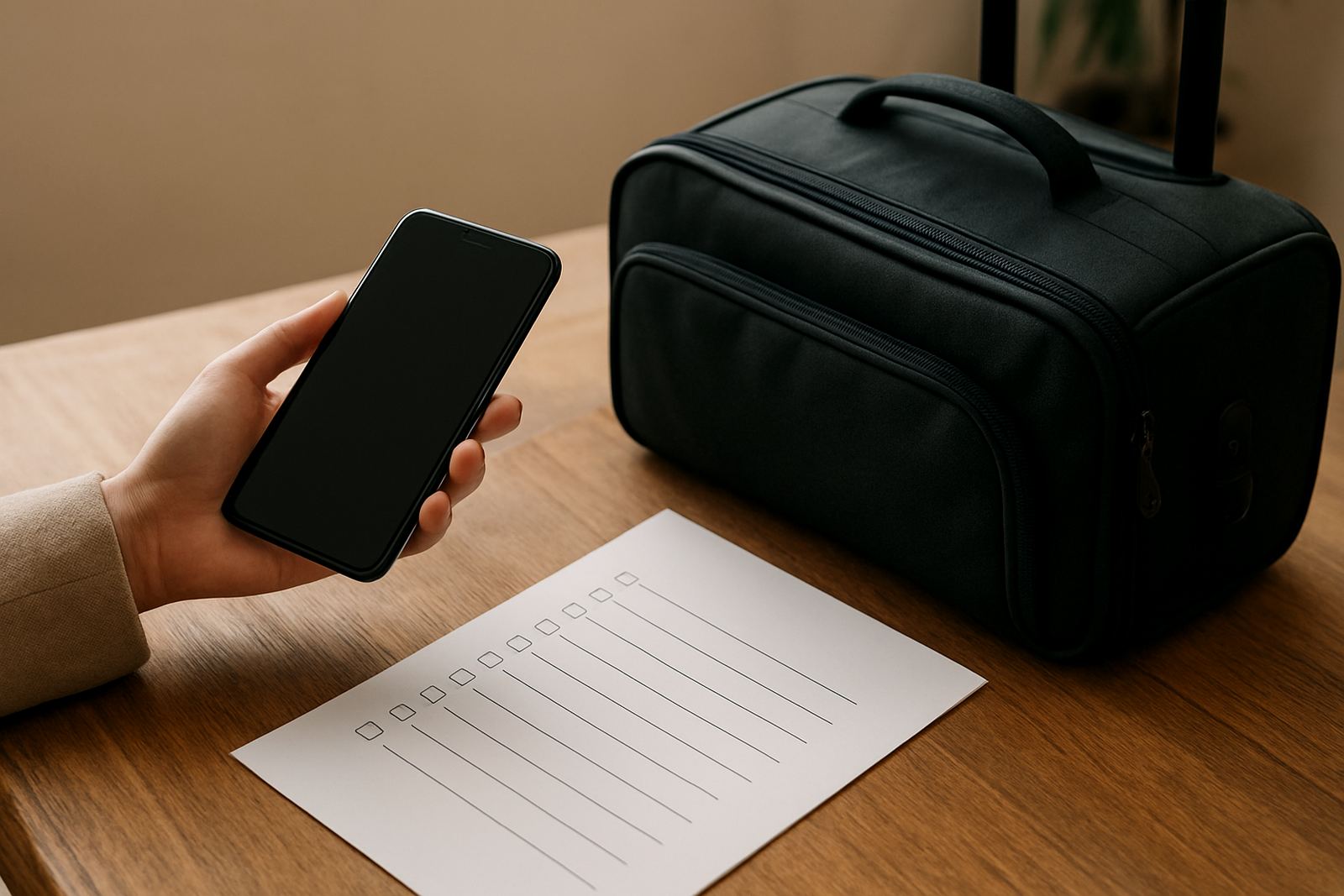
Set the trigger rules before the urgent call comes in
Last minute travel works best when everyone knows what counts as urgent. A same day client meeting in Johannesburg, a cancelled connecting flight to Cape Town, or a director needed in Durban before sunrise should follow a clear trigger. If staff know when to escalate, you avoid long message chains and missed seats.
Start with a simple internal rule set for who can request urgent travel, who may approve it and what details must be included. Keep it short enough for busy teams to use under pressure, but clear enough to stop guessing. For companies with staff across Sandton, Midrand, Rosebank and Pretoria, a common process helps the whole business move faster.
- Define what qualifies as urgent travel.
- List the approvers for each spend level.
- Set cut-off times for same day and next day bookings.
- Keep traveller profiles updated with passport details, loyalty numbers and seating preferences.
- Store emergency contact and next of kin details for duty of care.
Keep the traveller file ready before approval is needed
Fast bookings usually fail because the basics are missing. If a passport has expired, a name is entered wrong, or the traveller has not shared their full date of birth, the booking stalls while everyone scrambles for information. That is painful when the flight is closing in 30 minutes and the client wants confirmation now.
Build a live traveller file for each regular flyer. It should include identity details, passport expiry dates, preferred departure airports, accommodation preferences, dietary requirements and any access needs. For frequent business travellers moving between Johannesburg, Gqeberha, Cape Town and Durban, this saves time and cuts down on booking errors.
- Full legal names exactly as they appear on travel documents.
- Passport and ID copies, with expiry dates flagged.
- Preferred flight times and cabin class rules.
- Hotel preferences, including smoking, bedding and parking needs.
- Mobile number, backup contact and emergency contact.
When the file is current, the booking team can move immediately instead of waiting on back and forth messages.
Use a fast approval flow that still protects spend
Urgent does not have to mean uncontrolled. A good approval flow should allow a manager to say yes quickly while still checking the key cost items. The aim is to avoid delays without opening the door to unnecessary upgrades, duplicate bookings or avoidable cancellation fees.
Set spending thresholds so the right person can approve the booking in minutes. If your team often books after hours, agree in advance who may authorise travel outside office times. This matters during load-shedding too, when teams may be working from home and need a clean digital process rather than waiting for a branch to open.
- Use one approval channel for all urgent trips.
- Capture trip purpose, dates, destination and budget before approval.
- Flag any fare difference before ticketing.
- Confirm hotel cancellation terms before accepting the room.
- Keep a record of who approved and when.
Good approval flow is not about slowing people down. It is about making sure the company can move quickly and still account for every Rand spent.
Check flight and hotel details twice before ticketing
At speed, small mistakes become expensive. A wrong terminal, a missed overnight stay or a hotel too far from the venue can add stress and extra cost. The best urgent travel process includes a final check that catches errors before payment is released.
For business trips across South Africa, always match the flight arrival time with the meeting start time and travel distance. A late arrival into Cape Town or a delayed departure from Johannesburg can make a same day schedule impossible, so the itinerary needs practical timing not just the cheapest option. If the traveller is attending a conference, confirm the venue postcode and parking access as well. That detail matters more than many people think.
- Match passenger names to documents exactly.
- Check routing, connection times and baggage rules.
- Confirm hotel address, check in time and cancellation terms.
- Make sure the room matches the traveller count and bed requirement.
- Save proof of payment, invoice details and booking references together.
One small miss can cause a missed transfer or a late arrival to a board meeting, and that is hard to recover from.
Build a same day support line for changes and cancellations
Plans change. Flights are delayed, meetings run over, and delegates sometimes need to come home earlier than expected. A practical urgent travel process includes after hours help for amendments, cancellations and rebooking support so the traveller is not left managing it alone.
Agree on what should happen if a flight is cancelled, a hotel booking must be shortened, or a delegate is diverted to another city. This is especially useful for event travel where rooming lists, arrival tracking and meeting times can shift quickly. If the team knows the process, they can make changes without duplicate bookings or confusion.
- Keep one contact point for after hours changes.
- Record all amendments against the original booking reference.
- Track cancellation fees and reissue charges separately.
- Update the traveller profile after a change, not later.
- Notify finance when the final cost has moved.
This kind of support is worth having in place before the first urgent request arrives. It keeps the moving parts under control even when the schedule does not behave.
Use reporting after the trip so the next urgent booking is easier
The fastest businesses learn from every trip. Once the traveller is back, review what caused the rush, where time was lost and whether the approval chain worked. Over a few months you will see patterns, like repeated short notice meetings in Sandton, repeated event changes in Cape Town, or late approvals from the same department.
Travel reporting helps you spot the cost of urgency and tighten the process. It also supports invoice reconciliation, which matters when teams book multiple flights, hotels and delegate stays in one month. A clean record makes it easier to compare planned spend against actual spend, and to explain variances to management.
- Review how long approval took from request to ticketing.
- Check whether the booking matched the original brief.
- Note any delays caused by missing traveller information.
- Track urgent travel spend by department or project.
- Use the data to improve your next booking window.
When the reporting is solid, urgent travel stops being a scramble and starts becoming a manageable part of business operations.
A practical last minute travel checklist for South African teams
When a request lands unexpectedly, the team needs one checklist they can use immediately. This is the simplest way to keep the process moving and reduce errors. Keep it on file, share it with managers and make sure everyone knows where to find it.
- Request reason and urgency confirmed.
- Traveller name, document details and contact number checked.
- Approval received from the correct manager.
- Flight options reviewed against timing and budget.
- Hotel confirmed with the right address and cancellation terms.
- Transfer, venue and arrival details checked.
- Invoice, reporting and duty of care details updated.
For business travellers across Johannesburg, Pretoria, Durban, Cape Town and Gqeberha, this checklist cuts down on last minute stress. It also helps the support team respond faster when the request comes in after hours or during load-shedding, when everyone needs the process to be simple and dependable.