

1. Start with the flight details before booking the transfer
Begin with the flight number, landing time, terminal, number of travellers and the final destination. For business travel, the transfer should be planned around the meeting time, not just the flight arrival. If a client lands at OR Tambo and still needs to get to Sandton, Rosebank or Midrand during peak traffic, the transfer window must include baggage collection and possible delays at the airport exit.
When you coordinate a transfer, check whether the traveller is arriving on a domestic or international flight, whether they will have checked baggage, and whether they may need a quick stop before the meeting. A transfer arranged for a solo executive is very different from one for a team arriving with presentation materials or event items. The more accurate the details, the less room there is for confusion.
- Confirm flight number and actual arrival time
- Note terminal and meeting point instructions
- List all travellers and luggage count
- Share the destination address with suburb and building name
- Flag any tight meeting schedule or special handling needs
2. Match the vehicle to the traveller, not just the route
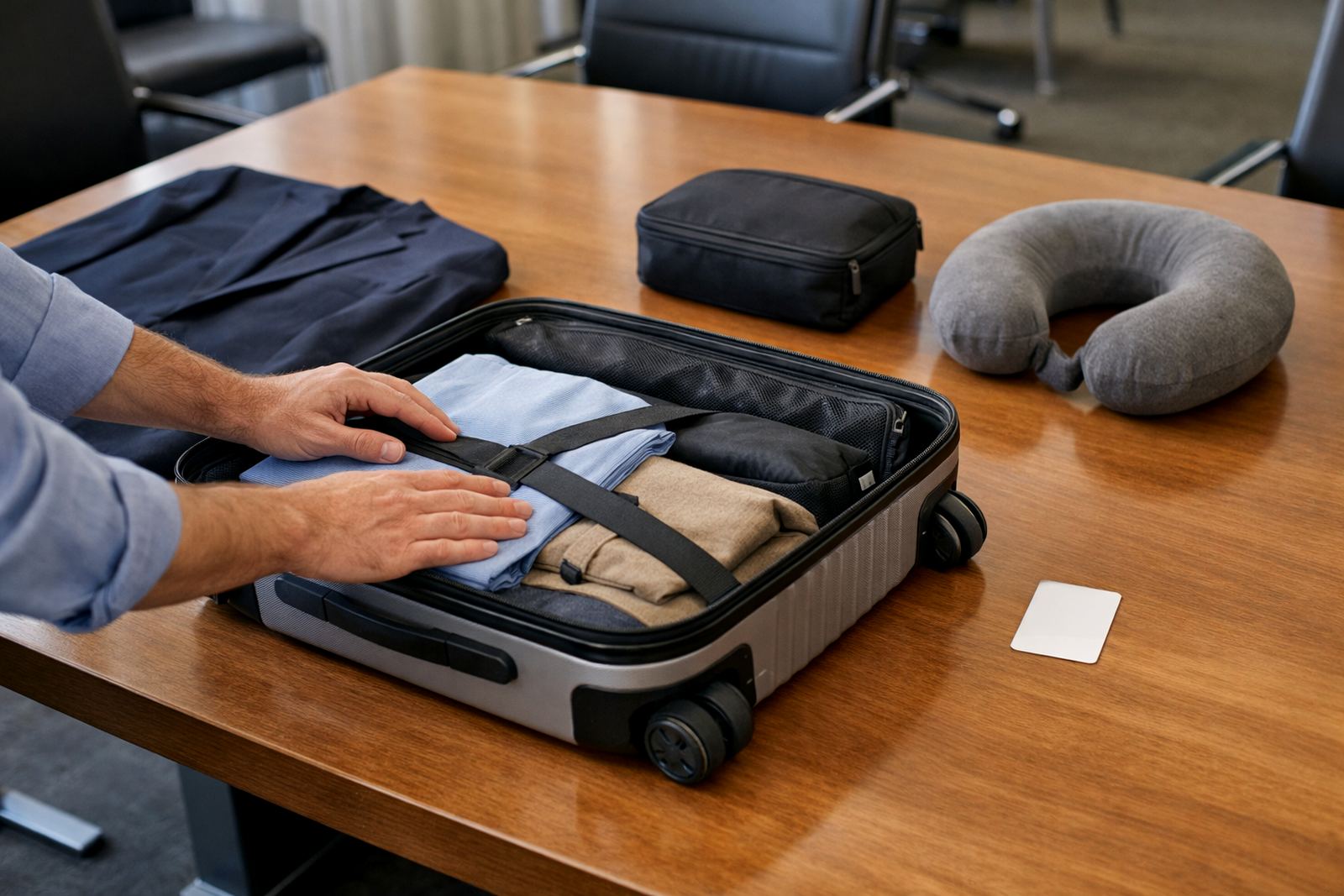
The right transfer vehicle depends on luggage, comfort and the type of meeting. A single executive with hand luggage may only need a standard sedan, while a group travelling to a conference in Sandton may need a larger vehicle with space for suitcases and event packs. In humid coastal cities like Durban or Gqeberha, travellers often arrive needing enough room for garments that must stay neat, while Cape Town trips can involve longer drives between the airport and the CBD or Century City.
Think about the purpose of travel too. If a traveller needs to work during the ride, quiet, reliable transport matters. If the transfer is for a team heading to a venue, it helps to choose a vehicle that keeps everyone together. For roadshows and multi-stop schedules, one transfer can sometimes be more practical than several separate pickups.
- Solo executive or small team
- Number of suitcases and cabin bags
- Need for space to work or take calls
- Route length and expected traffic
- Any event materials or fragile items
3. Build in time for traffic, weather and airport delays
In South Africa, the transfer time is often affected by more than the distance on a map. Johannesburg traffic can shift quickly around Sandton, the N1 and busy business districts. Cape Town can be slowed by wind, rain and peak-hour congestion, while Durban and Gqeberha can be affected by coastal weather and road works. Load-shedding can also affect lifts, access control and meeting point visibility at some premises, so the driver and traveller need clear instructions.
A good rule is to add buffer time both before and after the flight. Do not assume the aircraft will arrive on the minute, and do not schedule a meeting with no gap at all. If the traveller is arriving for an important client session or a board meeting, aim for a transfer plan that allows for a short delay without putting the day off track. That small margin can save a lot of stress.
4. Confirm the handover process before the plane lands
The transfer goes more smoothly when the pickup point, driver contact process and waiting instructions are clear before landing. Many airport delays come from people not knowing where to stand or who is meeting them. For corporate travellers, the handover should be simple and professional, especially if the traveller is arriving after hours or late at night.
Ask who will confirm the arrival, who will monitor delays, and how the traveller will recognise the pickup once they exit. If the meeting point changes because of airport traffic or weather, the update should be sent early. For teams attending events, it also helps to nominate one person to handle the transport instructions so that all travellers get the same information.
- Agree on the exact pickup point
- Share the traveller name and reference details
- Confirm who is monitoring the flight status
- Set a waiting time and escalation point
- Keep the traveller informed if the flight changes
5. Use a checklist for company travel and event transfers
When a company is moving several people, the transfer plan should include more than the vehicle booking. Event travel often involves rooming lists, arrival tracking, delegate names and last-minute changes. If one traveller is delayed or re-routed, the rest of the group should still move on time. This is where proper travel reporting and approval workflow support make a real difference.
A basic transfer checklist keeps everyone aligned and reduces calls after landing. It also helps with invoice reconciliation later because the transfer details are already documented. For busy travel managers, this is especially useful when there are multiple flights into different cities on the same day.
- Traveller names and mobile numbers
- Flight numbers and arrival times
- Hotel or meeting venue address
- Billing reference or cost centre
- Special notes such as late arrival, VIP status or extra luggage
6. Handle changes, cancellations and after hours support properly
Business travel changes often. Flights are delayed, meetings move and travellers sometimes need a later pickup or a different drop-off point. A good transfer plan should allow for amendments without creating unnecessary admin. If a flight is cancelled, the transfer must be paused quickly so that the company is not charged for a service that was never used.
After hours support is particularly important for early morning departures and late night arrivals. Travellers should know what to do if they land after the office is closed, and the company should have one clear process for updates. Keep the approval trail tidy, record any changes and make sure the invoice reflects the actual service provided. It saves time, and avoids back and forth later on.
For companies with frequent travel between Johannesburg, Cape Town, Durban, Pretoria and Gqeberha, the best transfer process is the one that is easy to repeat. Clear instructions, accurate timing and proper reporting make the whole trip easier for everyone.