

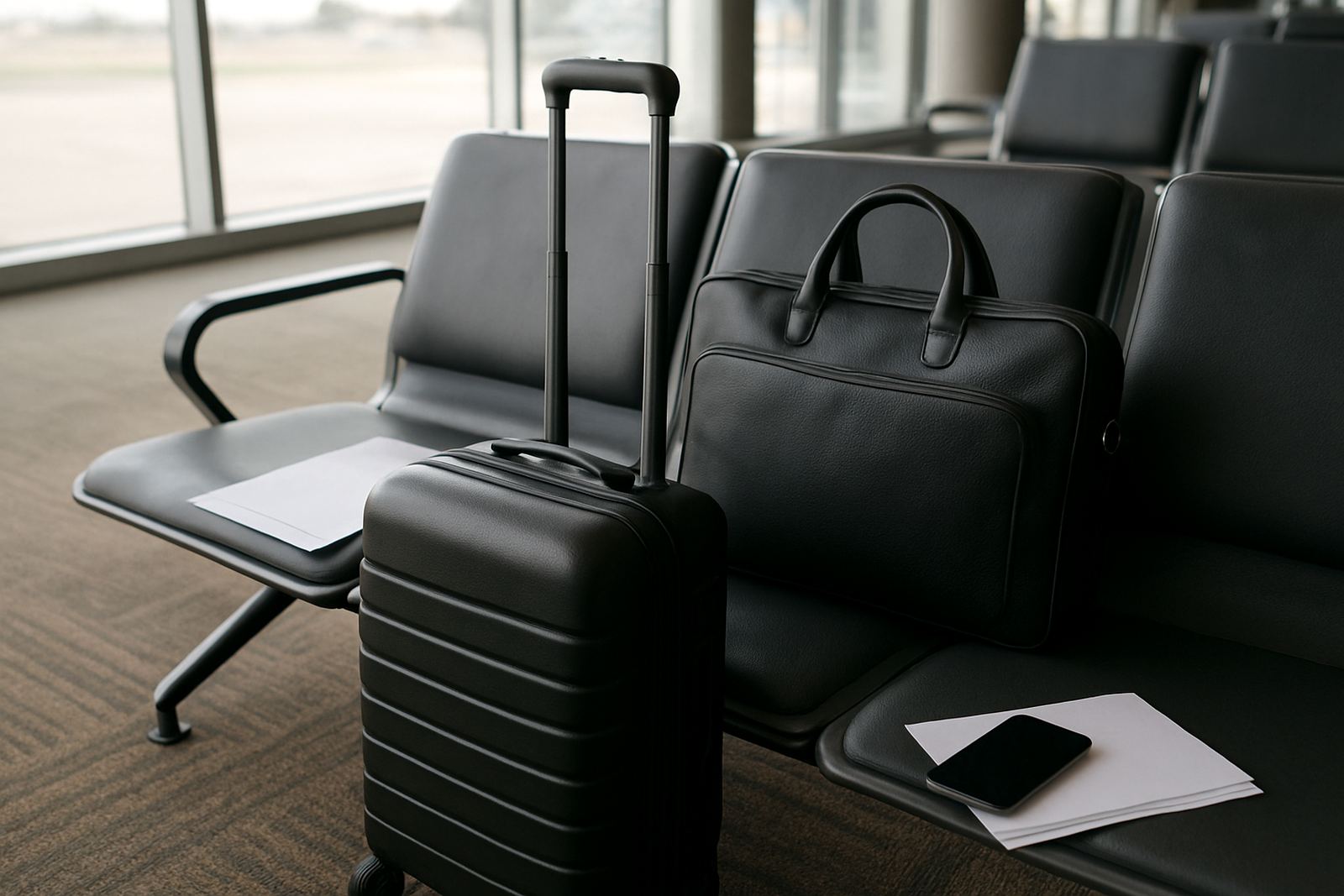
Why board travel needs a different standard
When directors, executives or trustees are travelling for a board meeting, the trip has to support the decision making, not interrupt it. That means avoiding rushed connections, reducing airport waiting time and planning every transfer with enough margin for traffic, weather and last minute changes. A missed meeting in Sandton or a delayed arrival in Cape Town can affect the whole agenda, so the booking must be treated as part of the meeting pack.
For companies managing travel across Johannesburg, Cape Town, Durban, Pretoria and Gqeberha, the challenge is not only getting there. It is getting the right people there on time, rested and with the right documents. That includes flight selection, hotel location, airport transfers and a clear approval trail for finance and governance teams.
At Global Flight we work with business travellers who need privacy and practical support. Our Sandton base gives us a close view of how meetings move in Gauteng, especially where road delays, load-shedding at accommodation sites, and short notice agenda changes can complicate a simple itinerary.
Build the itinerary around the meeting clock
For board travel, the meeting time should drive the itinerary. If a meeting starts at 08:00 in Sandton, a same day early morning flight from Durban is usually risky, even if the fare looks attractive. The better option is often an arrival the afternoon before, with a hotel close to the venue and a late check-in arranged in advance.
We usually recommend these checks before booking:
- Arrival at least one evening before an important board session
- A hotel within a short drive of the venue, not across the city
- Backup routing in case of weather or air traffic delays
- Enough time for security, baggage collection and road traffic
- Return travel scheduled after the meeting ends, not before it is due to close
That buffer may look small on paper, but it often saves the day. A 30 minute delay at the airport, or a heavy traffic pocket on the M1, can make the difference between walking into the room settled or arriving flustered.
Choose hotels that suit executive work
The right hotel for board travel is not always the nearest one, it is the one that lets the traveller work properly. Business guests need a quiet room, reliable internet, working backup power, early breakfast and a simple route to the venue. In winter, heating matters too, while in coastal areas like Durban and Gqeberha, humidity and sea air can affect comfort and storage of documents.
For many companies, hotel booking also needs to cover practicalities that are often overlooked. Is there enough parking for a driver or support vehicle? Will the hotel issue invoices in the company name? Can the team add extra nights if a meeting runs late? These details matter when finance later reconciles the bill.
A careful accommodation choice also helps with duty of care. If the executive team is split across different flights, it is easier to track arrivals when everyone is staying in the same area. That reduces confusion, keeps communication cleaner and supports after hours assistance if plans change.
- Quiet rooms away from lifts and event spaces
- Early breakfast or packed breakfast where departure is before 07:00
- Reliable generator or inverter backup during outages
- Secure parking and controlled access
- Easy access to the board venue, airport or client offices
Keep approvals, names and changes under control
Board travel often involves more than one approver. A CEO may approve the trip, finance may require cost codes and a personal assistant may manage the traveller's movements. Without a clean process, one small change can ripple through the whole plan. That is why traveller profile management, approval workflow support and travel reporting need to sit together.
We also see the value of accurate traveller details. A name mismatch, incorrect ID number or expired passport can stop an itinerary at the worst possible moment. Travel document checks should happen before ticketing, not after payment. If a delegate is joining from Pretoria or Rosebank, or flying in from Gqeberha, each person should have the same standard of check and sign off.
Booking amendments and cancellation handling are part of the work too. Meetings move, boards reschedule and flights get rebooked. The point is not to avoid change completely, but to manage it quickly and record it properly. That keeps the file clean for accounts, and it reduces stress for the traveller.
Use reporting to keep finance and governance aligned
Business travel for board meetings should leave a clear trail. Companies need to know what was booked, why it was booked and what changed along the way. Travel reporting, invoice reconciliation and rooming list management are especially useful where several executives travel at once or where an event team is handling delegates alongside board members.
For Johannesburg based groups, the Sandton office environment often means same week adjustments and tight supplier rules. If a board dinner is added at short notice, or a delegate arrival shifts by a few hours, the travel plan must be updated quickly so finance still has clean records. That includes matching hotel nights to the actual itinerary and confirming extras like airport transfers or late departures.
Delegate arrival tracking is also useful where directors are coming from different cities. It allows the support team to see who has landed, who is delayed and who still needs assistance. That kind of detail is simple, but it prevents unnecessary calls and helps the meeting organiser stay in control.
A Sandton board meeting example with real timing pressure
Consider a company hosting a board meeting in Sandton with directors travelling from Cape Town, Durban and Pretoria. The meeting starts at 09:00 on a Thursday and includes a site visit after lunch. A morning flight from Cape Town looks efficient, but if it lands too close to start time there is little room for baggage delays or road traffic from the airport. The safer plan is arrival on Wednesday afternoon, one night in Sandton and a return flight on Friday morning after the final wrap up.
That same plan can be adapted for the Durban traveller, while the Pretoria director may only need road transfer and a carefully timed hotel check in. By matching each traveller to the route that suits their schedule, the company protects the meeting and avoids waste. It also gives the team enough flexibility if the board runs late or an extra session is added.
For a busy executive calendar, small details carry weight. A late check out, a printed itinerary, a confirmed transfer and a room close to the lift can make the whole trip run better. It is not glamorous work, but it is the sort of planning that keeps a board meeting on track.
Practical support when the schedule changes
Even well planned board travel changes at short notice. A shareholder call may run over, a meeting may shift venue or a flight may need to be amended because of weather or operational disruption. That is where after hours assistance matters. Someone must be reachable when the office is closed and the traveller still needs a clean solution.
At Global Flight, our support structure is built for that kind of pressure. The team works across corporate travel, flights, accommodation and event movements, with support for Sandton, Johannesburg, Cape Town, Durban, Pretoria and Gqeberha. The aim is simple: keep the itinerary sensible, keep the records straight and keep the traveller moving.
Board travel should feel calm from the moment the trip is approved. When the plan is precise and the backup is already in place, executives can focus on the meeting itself, not the trip around it.