

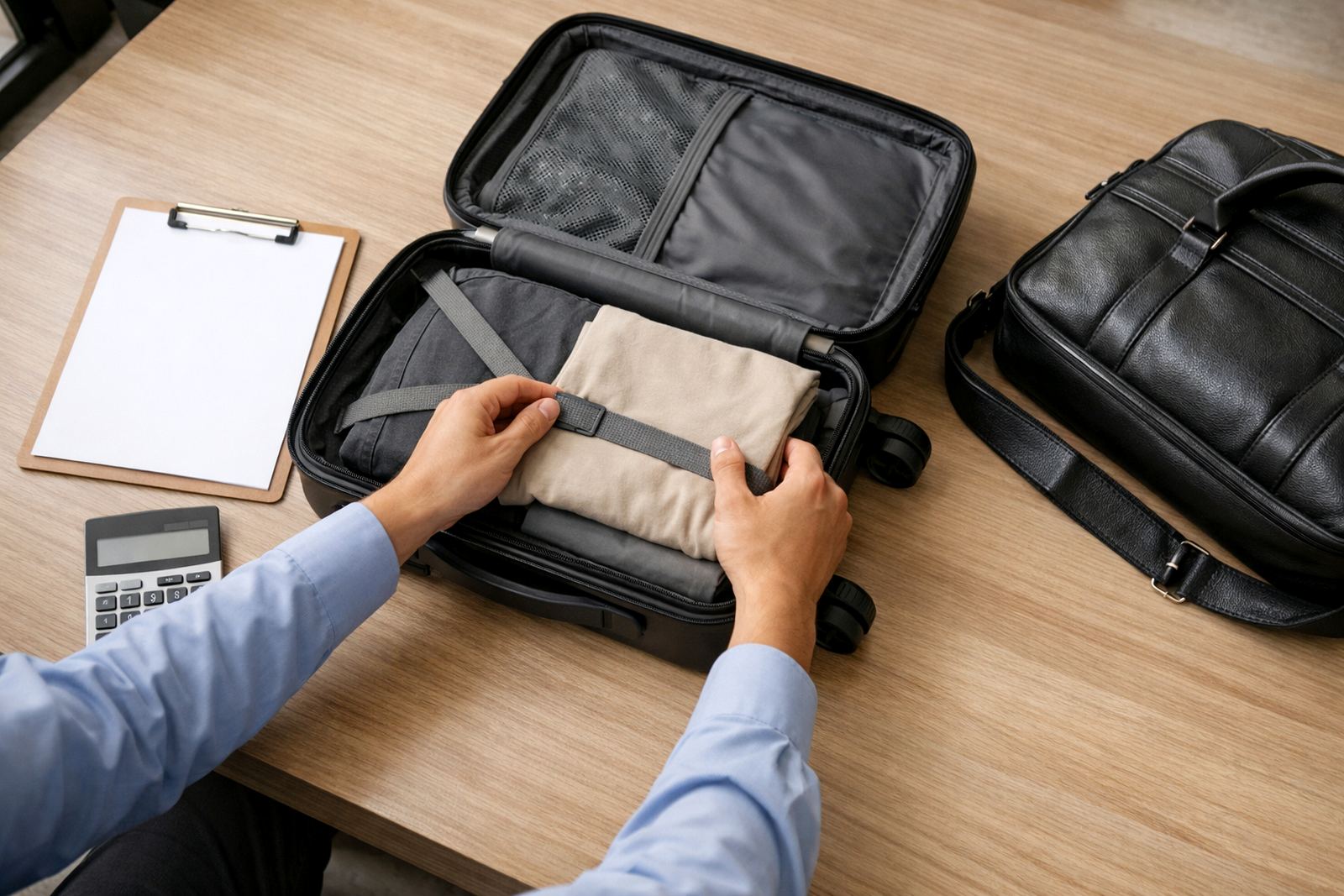
Start with the business rules before the bookings
A travel policy should begin with what the company needs to control, not with airline choices or hotel preferences. Set out who may travel, who may approve a trip, and which journeys need sign-off before anything is confirmed. For companies working across Johannesburg, Cape Town, Durban, Pretoria and Gqeberha, this keeps decisions consistent even when teams are spread out.
State the purpose of travel in plain terms. For example, client meetings, site visits, training, conferences and event support can all sit under different rules. If staff travel often between Sandton, Midrand and Rosebank, spell out when a same-day return is acceptable and when an overnight stay is allowed. That prevents last-minute arguments and keeps costs in check.
- Define who can request travel and who can approve it
- List acceptable trip reasons and when proof is needed
- Set notice periods for domestic and regional bookings
- Explain when travel outside policy needs written approval
Set booking rules that are easy to follow
Simple booking rules are easier to enforce than long policy language. Choose one booking process for flights, accommodation and event travel, then keep it the same for all departments. If your team often books at short notice, include a clear cut-off for same-day requests and a process for urgent after-hours assistance.
Where possible, require travellers to use approved suppliers, approved fare types and pre-defined room standards. Mention whether changes are allowed after issue, and what counts as a chargeable amendment. A good policy also notes that flight times should support the meeting schedule, rather than the other way around.
- Use one request form for flights, hotels and event travel
- Require traveller names to match identification documents exactly
- Confirm baggage needs, meal requirements and transfer requirements upfront
- Set a rule for booking close to departure, especially during peak periods
Control spend without slowing the business down
Cost control works best when the policy tells staff what is allowed, not just what is forbidden. Define travel classes, hotel rate limits, car hire categories and acceptable meal spend. Keep the rules tied to role and trip purpose so a director, project manager and field team member do not all sit under the same budget line.
It also helps to set a cap for last-minute bookings and mark which costs need pre-approval. In South Africa, travel can become more expensive during school holidays, major events and month-end spikes, so the policy should say how far ahead bookings should be made where possible. If a trip is cancelled or moved, define who pays for penalties and how credits are tracked.
For companies that manage frequent trips, a short monthly report on spend by route, hotel, department and traveller helps spot trends early. That makes invoice review far easier and gives finance a cleaner month-end process.
Build duty of care into every trip
A practical policy must cover traveller safety, not only price. Include emergency contact details, late arrival rules, hotel check-in checks and what happens if a traveller misses a connection or is delayed after hours. For teams moving between airports, city centres and event venues, this matters just as much in Cape Town or Gqeberha as it does in Johannesburg.
Use the policy to set a basic standard for travel document checks, traveller profile management and delegate tracking. If staff attend events in groups, assign one person to monitor arrivals and rooming lists so no one is left behind. The policy should also explain what support is available when travel is disrupted by weather, load-shedding related delays or transport strikes.
- Keep emergency contact details updated for every traveller
- Record where the traveller is staying and how they will get there
- Set a process for missed flights, overnight disruptions and medical incidents
- Require travellers to report any change in itinerary as soon as possible
Make approvals, changes and cancellations very clear
Most travel frustration comes from unclear approval rules. Spell out who can approve the trip, who can approve changes, and who must authorise cancellations. If a meeting moves by a day or a flight is delayed, staff should know exactly who to contact and what can be changed without a new approval cycle.
Include the steps for booking amendments and cancellation handling in the policy itself, not in a separate document that no one reads. That helps reduce confusion when the pressure is on. It also keeps the accounting trail cleaner because changes, refunds and supplier credits can be matched back to the original booking.
Where event travel is involved, add rules for delegate list updates, rooming list changes and arrival tracking. Those small controls prevent missed check-ins and avoid paying for extra nights nobody uses.
Keep records tidy for finance and reporting
A travel policy should help finance as much as it helps travellers. Set out what documents are required for invoicing, how trip costs are coded, and when receipts must be submitted. If your company uses cost centres or project numbers, include the format in the policy so records are correct from the start.
Invoice reconciliation is much easier when the policy states what a valid charge looks like. That includes fares, hotel nights, transfer costs, cancellation fees and any extras such as meals or parking. If a traveller has booked outside policy, the policy should say how the exception is recorded and who signs it off. A clear paper trail saves time at month-end and makes audits less painful.
For companies with travellers across multiple offices, regular reporting also shows which routes are used most, which departments travel often and where spending can be trimmed without affecting service.
Review the policy twice a year and after major changes
A travel policy should not sit untouched for years. Review it at least twice a year, and again after major changes such as a new leadership team, a shift in travel volume, or a change in supplier arrangements. If your business starts travelling more between Sandton and the coastal cities, the policy may need tighter lead times or better after-hours support.
Get input from finance, HR, operations and frequent travellers before signing off the final version. That keeps the policy practical and easier to follow. Once approved, communicate it clearly and keep the wording simple. If staff can understand it in a few minutes, they are far more likely to use it properly.
- Review the policy every six months
- Update approval limits when budgets change
- Check that traveller profiles and emergency contacts stay current
- Train new staff on the policy before their first trip